

“. . . for he who does not love his brother whom he has seen cannot love God whom he has not seen.” –1 John 4:20
We aren’t surprised that the guy who opens with an appeal to the senses of sight, sound, and touch (1 John 1:1) continues to hammer away at an embodied faith throughout his epistle. Students learn through, with, by, and as bodies. Any discipleship that claims to teach love of an invisible God without first teaching love of a visible, hearable, and touchable brother is forming an inhuman faith.
The same is true for Christian education—which is just discipleship by another name, no?
We cannot expect to teach students to love invisible realities until they first learn to love the things they can see, hear, taste, touch, or smell. 1 John 4:20 is an appeal from basic pedagogy. The formula works with so many school subjects:
“. . . for he who does not love his classmate whom he has seen cannot love George Washington whom he has not seen.”
“. . . for he who does not love his neighborhood which he has seen cannot love Australia which he has not seen.”
“. . . for he who does not love the oak tree in his backyard which he has seen cannot love photosynthesis which he has not seen.”
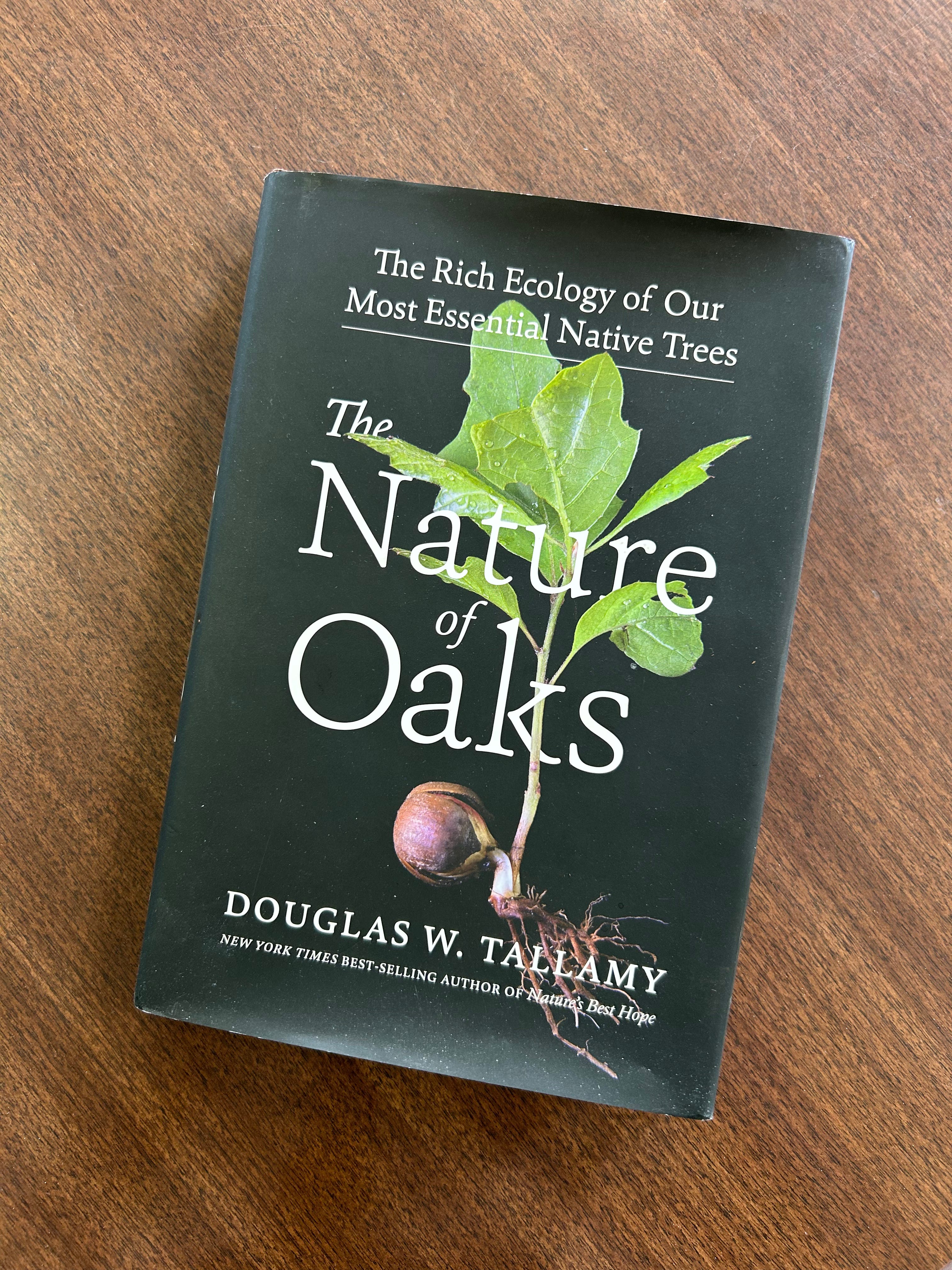
Douglas Tallamy explains why he bothered to write his book The Nature of Oaks: “I meet intelligent adults today, people who have excelled at all levels of their education and are successful members of our society, who cannot even recognize an oak leaf.”
Somehow, we can make it successfully through the academic ranks, mastering textbooks filled with facts about things we’ve never seen or experienced and still not know the name of the tree we’ve walked past everyday for thirty years: “In fact, too many homeowners cut down the oaks on their properties because they have grown tired of raking leaves.”
Is it good that our students know everything about ancient cultures but nothing about the history of the old man who lives next door? What can we say about an education that encourages students to love cytoplasm and ribosomes which they cannot see but gives them no eyes to attend to the birds outside their window?
Tallamy continues: “My point is simply this: there is much going on in your yard that would not be going if you didn’t have one or more oak trees gracing your piece of planet earth.” That’s what we need, isn’t it? An education on our own piece of planet earth—the piece we can see—because so much of our education focuses on the pieces we can’t.
John’s point is simply this: If you want to love God, it starts with loving your brother. If you don’t love your brother, you don’t love God. It’s impossible (1 John 4:20).
And my point is simply this: If we want students to love what they cannot see, it starts with teaching them to love the people and the place they can. If a student doesn’t love the oak, they can’t love the chloroplasts and stomata. It’s impossible.
Summer Camps at The Oaks!
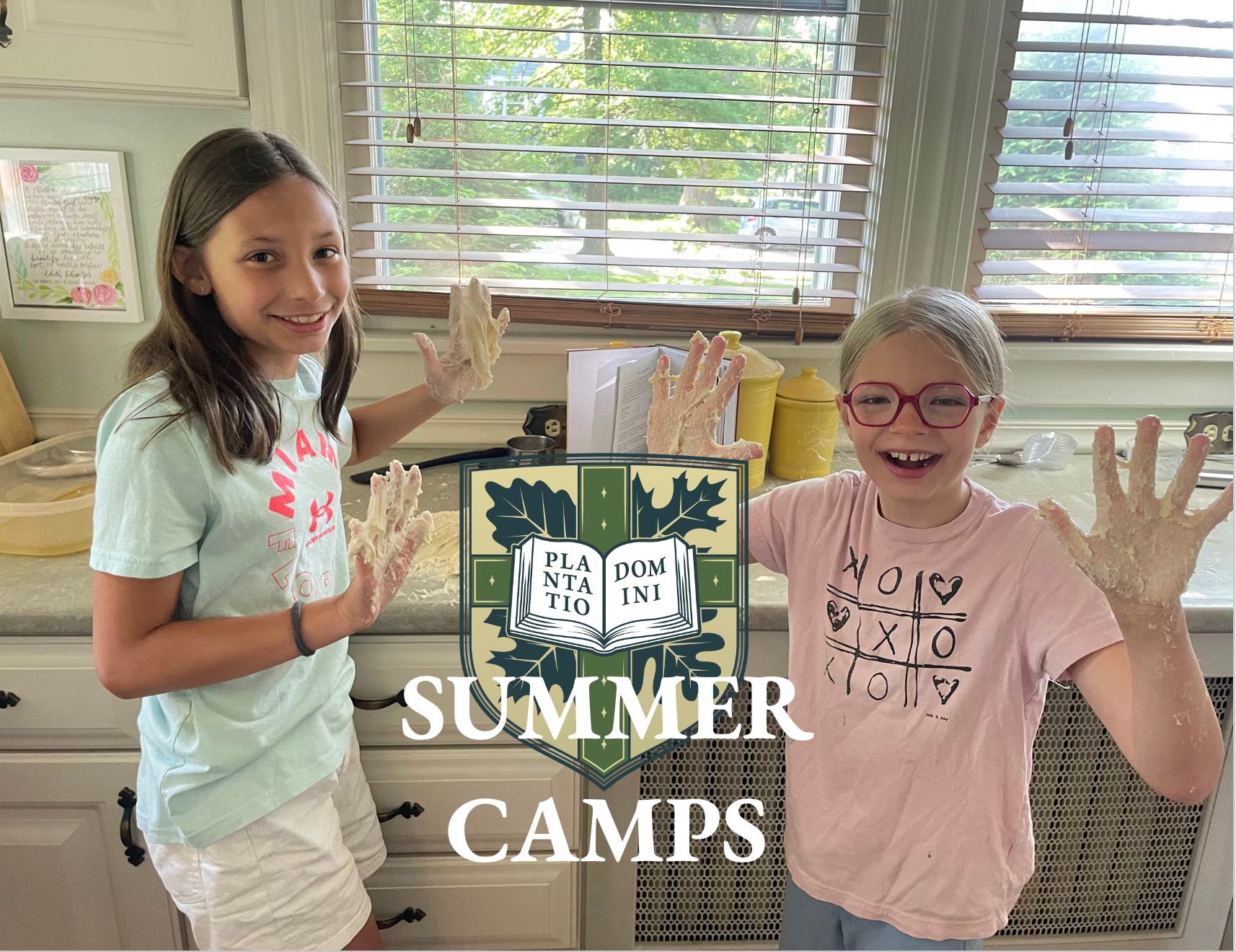
Looking for hands-on experiences your kids can touch, taste, and see this summer? We’ve got summer camps at The Oaks for all you folks in Washington!
Camp Bakewell is back for a second year, expanded and improved! If you’ve got young bakers (rising 3rd-12th) who are eager to get their fists into the dough, check out the two different weeks we have available here:
Got a soccer player (rising 3rd-6th) at home looking for summer action? Soccer camp is coming to Washington on June 22! Check out more here:


